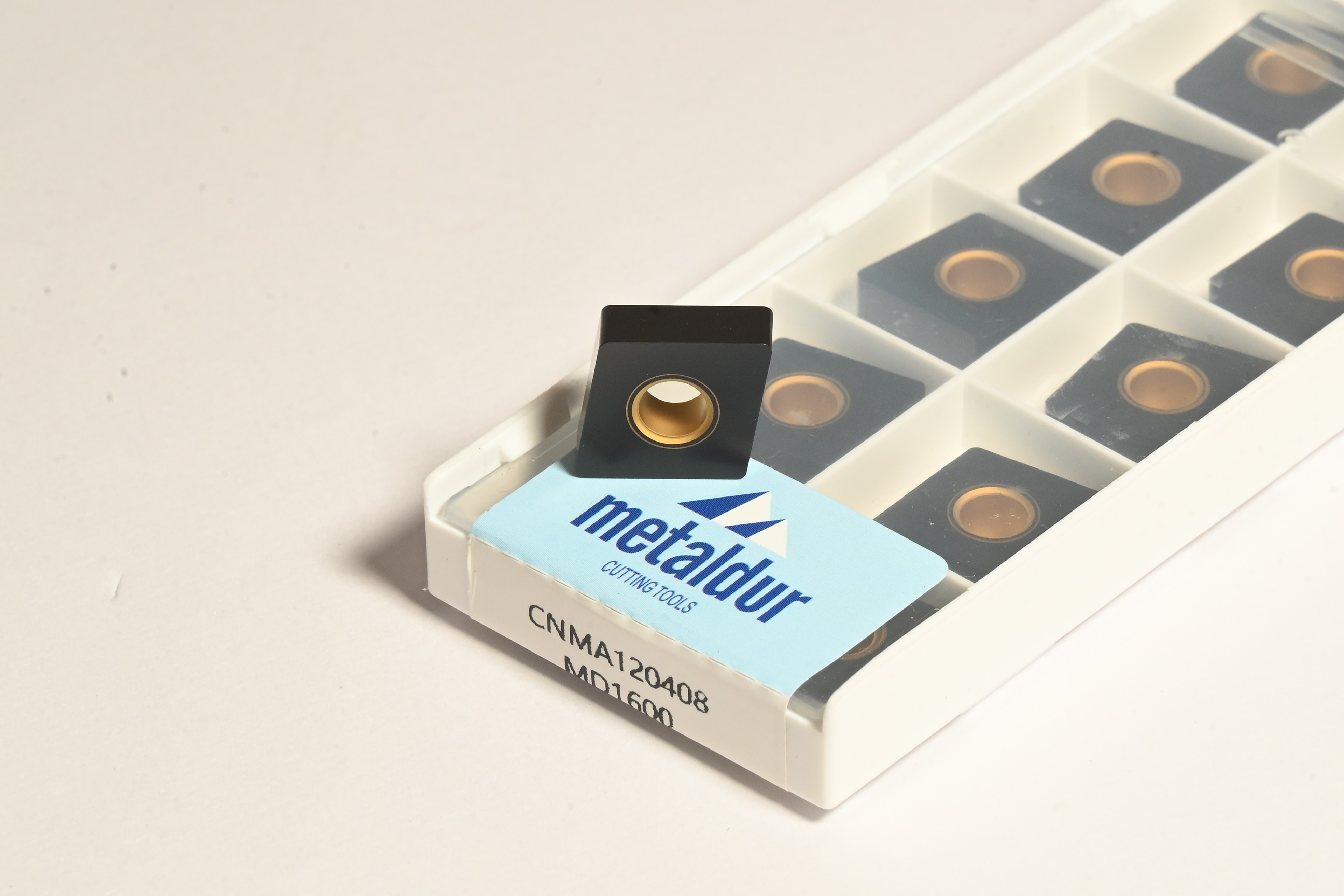
NEGATIVE TURNING INSERTS Suppliers in India for Heavy-Duty CNC Turning
Double-sided carbide cutting inserts with a 0° relief angle — engineered for roughing, semi-finishing, and heavy metal removal on steel, stainless steel, cast iron, and alloy steel.
Negative Turning Inserts for Heavy-Duty CNC Turning Operations
At Metaldur, we are a trusted Negative Turning Inserts Supplier in India, supplying high-quality carbide turning inserts to engineering industries, CNC machine shops, dealers, distributors, and industrial buyers across India. Our inserts are selected to deliver dependable machining performance, improved productivity, and competitive value for bulk industrial requirements.
When machining tough materials and performing heavy metal removal, choosing the right cutting insert is essential for achieving consistent performance and reducing tooling costs. Negative Turning Inserts are widely used in CNC turning applications because of their strong cutting edge, excellent wear resistance, and ability to provide multiple usable cutting edges from a single insert.
Whether you are machining mild steel, carbon steel, alloy steel, stainless steel, or cast iron, our Negative Turning Inserts are designed to support reliable roughing, semi-finishing, and continuous turning operations. They help improve machining stability, reduce insert replacement frequency, and maintain consistent dimensional accuracy. Looking for smoother finishes and lower cutting forces?
Check out our Positive Turning Inserts Supplier in India page for durable turning inserts available at competitive prices across India.
Positive Turning Inserts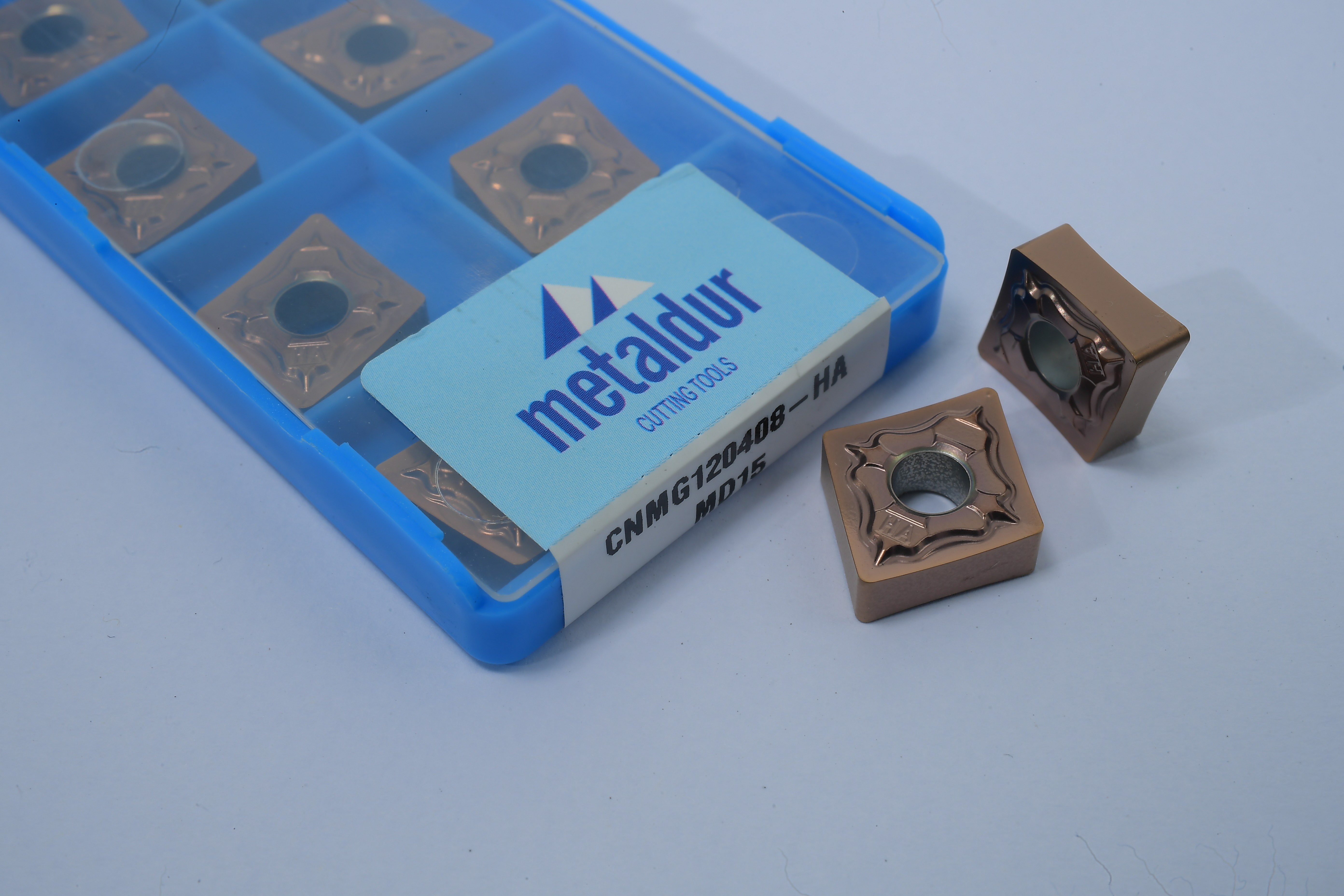
How to Select the Right Negative Turning Insert
Selecting the right Negative Turning Insert improves machining performance, productivity, and tool life. Consider the following factors:
Workpiece Material
Choose the insert grade according to the material being machined.
Machining Operation
Determine whether the operation involves roughing, semi-finishing, or continuous turning.
Insert Geometry
Select the appropriate insert shape based on the machining application.
Nose Radius
Choose the nose radius according to the required surface finish and feed rate.
Coating
Use coated inserts for higher wear resistance and longer tool life.
Cutting Speed
Follow recommended cutting speeds for the selected insert grade.
Feed Rate
Use appropriate feed rates to balance productivity and insert life.
Machine Rigidity
A stable CNC machine and quality tool holder improve accuracy and reduce vibration.
Why Choose Metaldur?
Choosing the right supplier is just as important as selecting the right cutting insert. We understand the needs of CNC machine shops, engineering companies, industrial buyers, dealers, and distributors, and we are committed to supplying reliable Negative Turning Inserts that improve machining efficiency and reduce production costs.
Wide Product Range
A comprehensive selection for various CNC turning applications and materials.
Competitive Pricing
Value pricing suited to bulk buyers, dealers, and industrial businesses.
Bulk Supply Available
Small quantities or bulk orders backed by a dependable supply.
PAN India Delivery
Prompt order processing and reliable delivery across India.
Technical Support
Guidance on the right insert geometry, grade, and cutting solution.
Reliable Quality
Consistent performance, wear resistance, and dependable tool life.
Fast Response
Quick replies to enquiries and quotations to cut procurement delays.
Complete CNC Solutions
Inserts, holders, drills, end mills, boring bars, and accessories.
What Are Negative Turning Inserts?
Negative Turning Inserts are indexable carbide inserts designed with a 0° relief angle, allowing both sides of the insert to be used. This double-sided design provides more cutting edges compared to positive inserts, making it a cost-effective solution for high-volume CNC machining.
Unlike positive inserts, negative inserts have a stronger cutting edge that can withstand higher cutting forces. This makes them suitable for rough turning, interrupted cutting, and applications requiring deeper depths of cut.
These inserts are commonly available in popular shapes such as CNMG, DNMG, SNMG, TNMG, and WNMG, allowing machinists to choose the most suitable geometry for different turning operations. Because of their durability and stability, they are widely used in automotive manufacturing, precision engineering, railway components, heavy equipment production, oil and gas industries, and general industrial machining.
Why Use Negative Turning Inserts?
Many industries prefer Negative Turning Inserts because they offer the right balance of durability, productivity, and cost efficiency. The chart below maps how negative geometry compares to positive inserts across the factors that matter most in heavy turning.
Key reasons machinists choose them
For businesses focused on reducing machining costs while maintaining quality, Negative Turning Inserts are an excellent choice.
Key Features of Negative Turning Inserts
Ten characteristics that make negative geometry the default choice for roughing and semi-finishing.
Double-Sided Cutting
The 0° relief angle lets both sides be used, giving multiple cutting edges and lower tooling cost.
High Edge Strength
Robust geometry withstands heavy cutting loads for demanding applications.
Excellent Wear Resistance
Quality carbide grades resist wear and hold performance over long runs.
Superior Heat Resistance
Stability at higher temperatures suits continuous CNC operations.
Reliable Chip Control
Optimized chip breakers improve evacuation and reduce interruptions.
High Machining Stability
Rigid design minimises vibration for more accurate components.
Suitable for High Feeds
Performs efficiently where faster material removal is required.
Wide Material Compatibility
Machines steel, stainless steel, alloy steel, cast iron and more.
Cost-Effective Performance
Multiple usable edges reduce the cost per machined component.
Easy Insert Replacement
Indexable design allows quick replacement and less downtime.
Benefits of Negative Turning Inserts
From the cutting edge to the production floor, negative inserts compound value at every level of the operation.
One Insert, More Usable Edges
The double-sided 0° design is where the savings begin — the same insert body delivers twice the cutting edges.
Longer Tool Life
Strong, wear-resistant carbide extends insert life and cuts replacement frequency.
Lower Tooling Costs
Both sides usable means more cutting edges per insert and lower overall tooling spend.
Higher Productivity
Deeper cuts and higher feed rates enable faster cycles and more output.
Better Surface Consistency
Correct parameters deliver consistent dimensional accuracy and repeatable quality.
Improved Machine Stability
Rigid geometry reduces vibration for smoother, more reliable cutting.
Heavy Machining Strength
Ideal for roughing, interrupted cutting, and heavy-duty turning.
Production Efficiency
Longer life and stable cutting reduce downtime and improve operations.
Applications of Negative Turning Inserts
Negative Turning Inserts are used across CNC machining where high strength, longer tool life, and stable cutting are required. Their strong edge makes them ideal for heavy-duty turning and rough machining.
Core Turning Operations
Operating Conditions They Handle
Industries We Serve
Metaldur supplies Negative Turning Inserts to a wide range of industries across India.
Common Insert Shapes Available
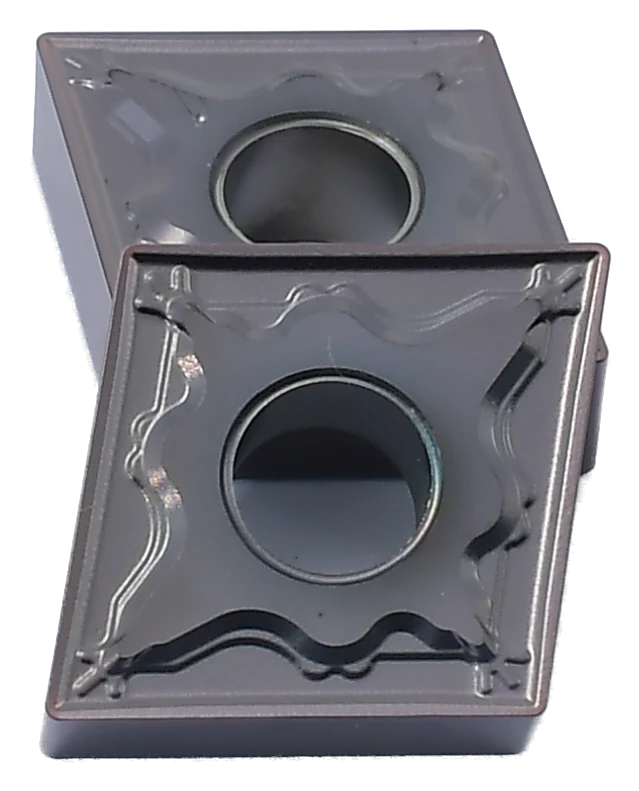
Metaldur supplies Negative Turning Inserts in various industry-standard geometries. Each is designed for specific machining operations, helping improve chip control, stability, and productivity.
Product Specifications
| Product Name | Negative Turning Inserts |
| Product Type | Indexable Carbide Turning Inserts |
| Insert Material | Premium Carbide |
| Relief Angle | 0° (Negative Geometry) |
| Machine Compatibility | CNC Lathes & Turning Centres |
| Operations | Rough Turning, Semi-Finishing, Facing, Internal & External Turning |
| Suitable Materials | Steel, Stainless Steel, Cast Iron, Alloy Steel |
| Insert Shapes | CNMG, CNMA, DNMG, SNMG, TNMG, VNMG, WNMG |
| Insert Grades | P, M, K, S, H |
| Supply Area | PAN India |
CNMG
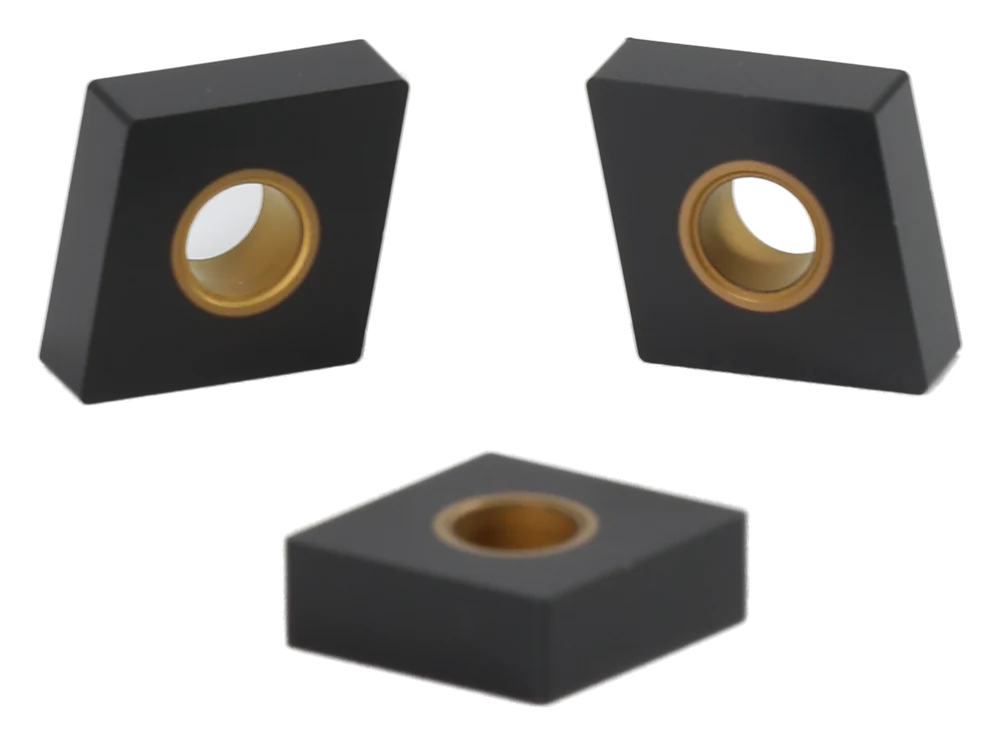 CNMA
CNMA
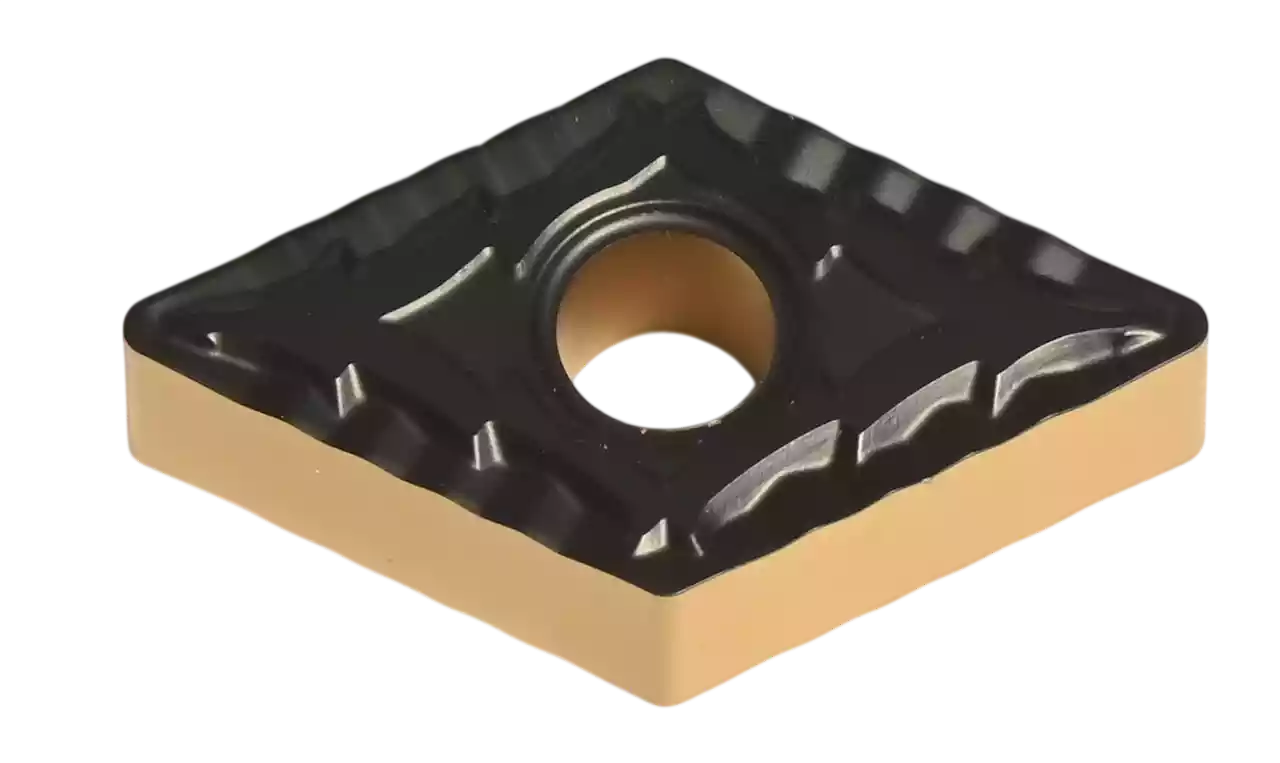 DNMG
DNMG
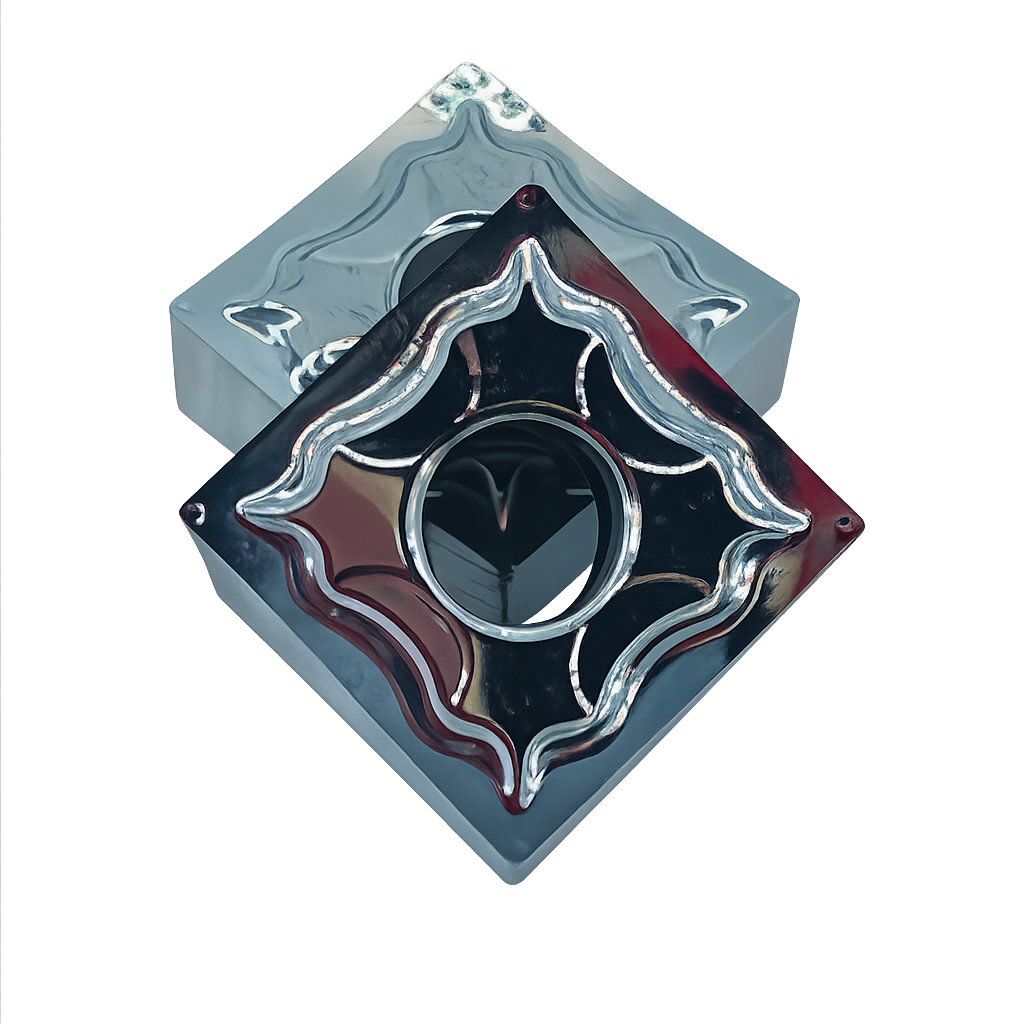 SNMG
SNMG
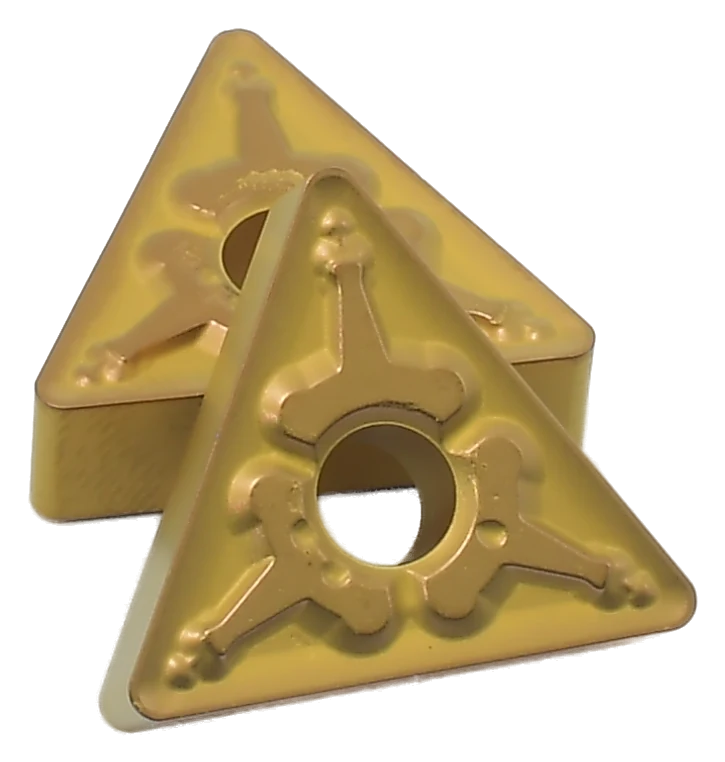 TNMG
TNMG
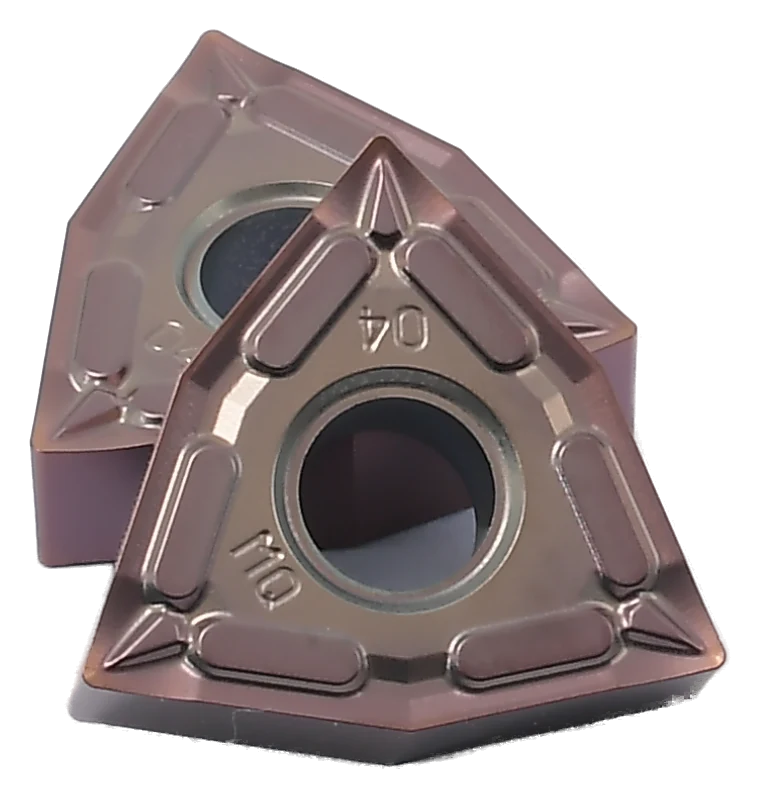 WNMG
WNMG
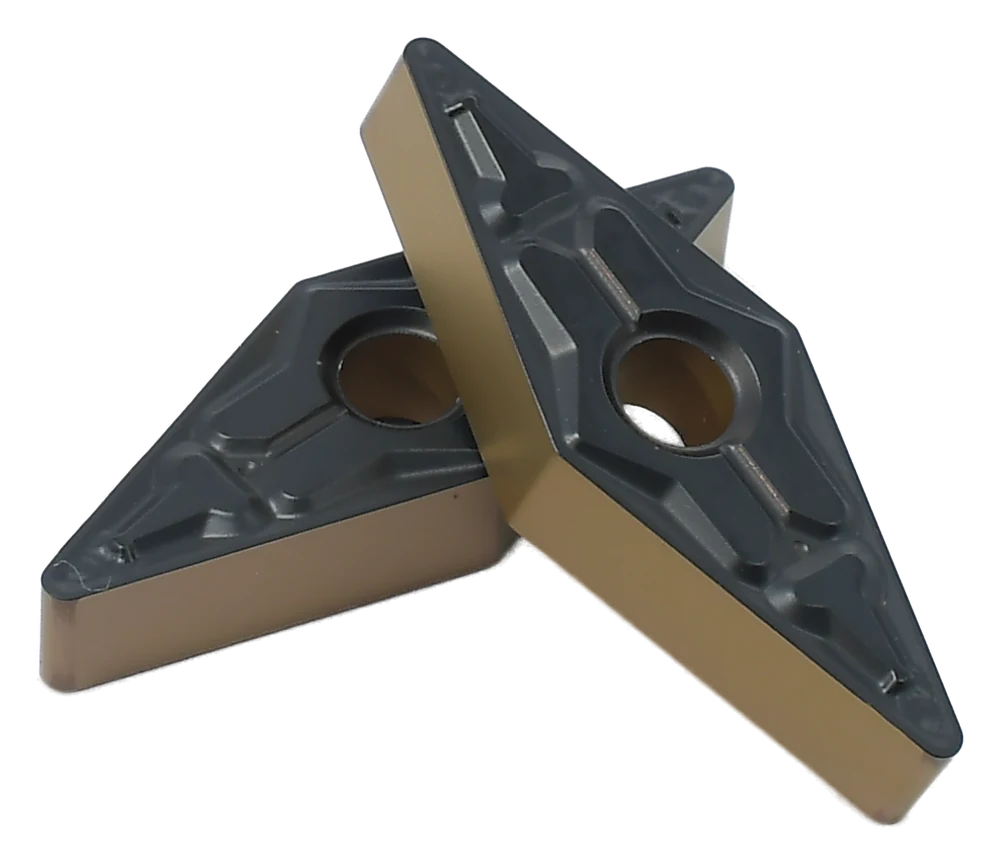 VNMG
VNMG
Available Insert Grades
Different insert grades are designed for different workpiece materials. Selecting the correct grade helps maximise tool life, improve machining efficiency, and reduce production costs.
For mild steel, carbon steel, and alloy steel with excellent wear resistance.
Machines stainless steel while maintaining stability and surface quality.
Reliable performance for cast iron and abrasive materials.
For high-temperature alloys used in aerospace and specialised engineering.
Machines hardened materials under controlled cutting conditions.
Negative Turning Inserts vs Positive Turning Inserts
| Feature | Negative Turning Inserts | Positive Turning Inserts |
| Relief Angle | 0° | Positive |
| Cutting Edges | Double-Sided | Single-Sided |
| Edge Strength | Excellent | Moderate |
| Cutting Force | Higher | Lower |
| Heavy Machining | Excellent | Moderate |
| Finishing | Good | Excellent |
| Interrupted Cutting | Excellent | Moderate |
| Tool Life | Longer | Moderate |
| Cost Per Edge | Lower | Higher |
Advantages of Negative Turning Inserts
Strong Cutting Edge
Withstands high cutting forces during heavy-duty machining.
Multiple Cutting Edges
Double-sided design gives more usable edges, reducing insert costs.
Longer Tool Life
Quality carbide construction provides excellent wear resistance.
High Productivity
Supports higher feed rates and deeper cuts.
Better Machining Stability
Rigid geometry minimises vibration and improves accuracy.
Cost-Effective Machining
Lower tooling cost per component due to multiple cutting edges.
Excellent Wear Resistance
Suitable for long production runs with consistent performance.
Reliable Chip Control
Optimized chip breakers improve chip evacuation.
Consistent Quality
Delivers repeatable machining performance with accurate dimensions.
Related Products
Looking for other CNC cutting tools? Metaldur supplies a complete range of carbide cutting tools for various machining applications.
Carbide Inserts
General-purpose carbide inserts for CNC turning and milling.
Positive Turning Inserts
Ideal for finishing and semi-finishing operations.
Milling Inserts
Suitable for face milling, shoulder milling, and profile milling.
Drilling Inserts
Precision inserts for efficient hole-making operations.
Threading Inserts (MMT)
For accurate internal and external thread cutting.
Parting & Grooving Inserts
Used for cut-off and grooving applications.
PCD Inserts
Best for machining aluminium and non-ferrous materials.
CBN Inserts
Ideal for machining hardened steel and cast iron.
Aluminium Inserts (MDAL)
Designed for smooth aluminium machining.
Cermet Inserts (MDC)
Excellent for high-quality surface finishing.
Carbide End Mills
Precision milling tools for CNC machining.
CNC Tool Holders
Secure tool holding solutions for CNC machines.
CNC Boring Bars
High-precision internal boring tools.
Carbide Drills
Efficient drilling tools for various materials.
Collets & Accessories
Essential accessories for CNC tooling systems.
Indexable Milling Tools
High-performance CNC milling cutters with replaceable carbide inserts.
Frequently Asked Questions
Answers to common questions about selecting, using, and sourcing negative turning inserts for CNC machining.
What are Negative Turning Inserts?
Negative Turning Inserts are double-sided carbide cutting inserts with a 0° relief angle. They provide multiple cutting edges, high edge strength, and excellent durability for rough turning, semi-finishing, and heavy-duty CNC machining operations.
What are Negative Turning Inserts used for?
They are commonly used for:
- External Turning
- Internal Turning
- Rough Turning
- Semi-Finish Turning
- Facing Operations
- Heavy Material Removal
- Interrupted Cutting
- Continuous CNC Turning
What materials can be machined using Negative Turning Inserts?
Negative Turning Inserts are suitable for machining:
- Mild Steel
- Carbon Steel
- Alloy Steel
- Stainless Steel
- Cast Iron
- Hardened Steel (selected grades)
- Tool Steel
The correct insert grade should always be selected according to the workpiece material.
What is the difference between Positive and Negative Turning Inserts?
Negative Turning Inserts have a 0° relief angle and can be used on both sides, providing more cutting edges and higher strength for heavy machining. Positive Turning Inserts have a positive relief angle and require lower cutting forces, making them better for finishing and lighter machining operations.
Which insert is best for rough turning?
Negative Turning Inserts are generally preferred for rough turning because of their strong cutting edge, ability to handle deeper cuts, and resistance to edge chipping.
Which insert shapes are commonly available?
Popular Negative Turning Insert shapes include:
- CNMG
- DNMG
- SNMG
- TNMG
- VNMG
- WNMG
Each geometry is designed for specific turning operations.
Which insert grades are available?
Common grades include:
- P Grade – Steel
- M Grade – Stainless Steel
- K Grade – Cast Iron
- S Grade – Heat-Resistant Alloys
- H Grade – Hardened Steel
Selecting the correct grade improves machining efficiency and tool life.
What are the advantages of Negative Turning Inserts?
Key benefits include:
- Longer tool life
- Multiple cutting edges
- Lower tooling costs
- Better wear resistance
- Strong cutting edge
- Higher productivity
- Stable machining
- Reliable chip control
Are Negative Turning Inserts suitable for CNC machines?
Yes. They are widely used on CNC lathes and turning centres for heavy-duty machining, rough turning, and semi-finishing operations.
How long do Negative Turning Inserts last?
Insert life depends on factors such as workpiece material, cutting speed, feed rate, insert grade, coolant usage, and machining conditions. Following recommended cutting parameters helps maximize tool life.
Are coated or uncoated inserts better?
Coated inserts generally provide better wear resistance and longer tool life in steel and stainless steel machining. Uncoated inserts are often preferred for non-ferrous materials where a sharper cutting edge is beneficial.
Which industries use Negative Turning Inserts?
These inserts are widely used in:
- Automotive Industry
- Aerospace Industry
- CNC Machine Shops
- Precision Engineering
- Railway Industry
- Heavy Engineering
- Oil & Gas Industry
- General Manufacturing
How do I select the right Negative Turning Insert?
When choosing a Negative Turning Insert, consider:
- Workpiece material
- Insert shape
- Insert grade
- Coating
- Nose radius
- Feed rate
- Cutting speed
- Machine rigidity
Selecting the right combination improves machining quality and reduces tooling costs.
Why choose Metaldur for Negative Turning Inserts?
Metaldur is a trusted Negative Turning Inserts Supplier in India, supplying quality carbide inserts to engineering companies, CNC machine shops, dealers, distributors, and industrial buyers. We offer competitive pricing, bulk supply, technical support, and dependable PAN India delivery.
Does Metaldur supply Negative Turning Inserts across India?
Yes. Metaldur supplies Negative Turning Inserts across India to industrial customers, wholesalers, dealers, distributors, and manufacturing businesses, ensuring reliable product availability and prompt service.
A Trusted Negative Turning Inserts Supplier in India
Negative Turning Inserts are an excellent choice for heavy-duty CNC turning operations that require strength, durability, and cost-effective machining. Their double-sided design, excellent wear resistance, and ability to handle higher cutting forces make them suitable for rough turning, semi-finishing, and continuous production. As a trusted Negative Turning Inserts Supplier in India, Metaldur provides reliable carbide turning inserts, technical support, competitive pricing, and PAN India supply for a wide range of industrial machining applications.
Request Your Quote
Send us your requirement for the lowest guaranteed price — or find us on Google.
Download Catalog